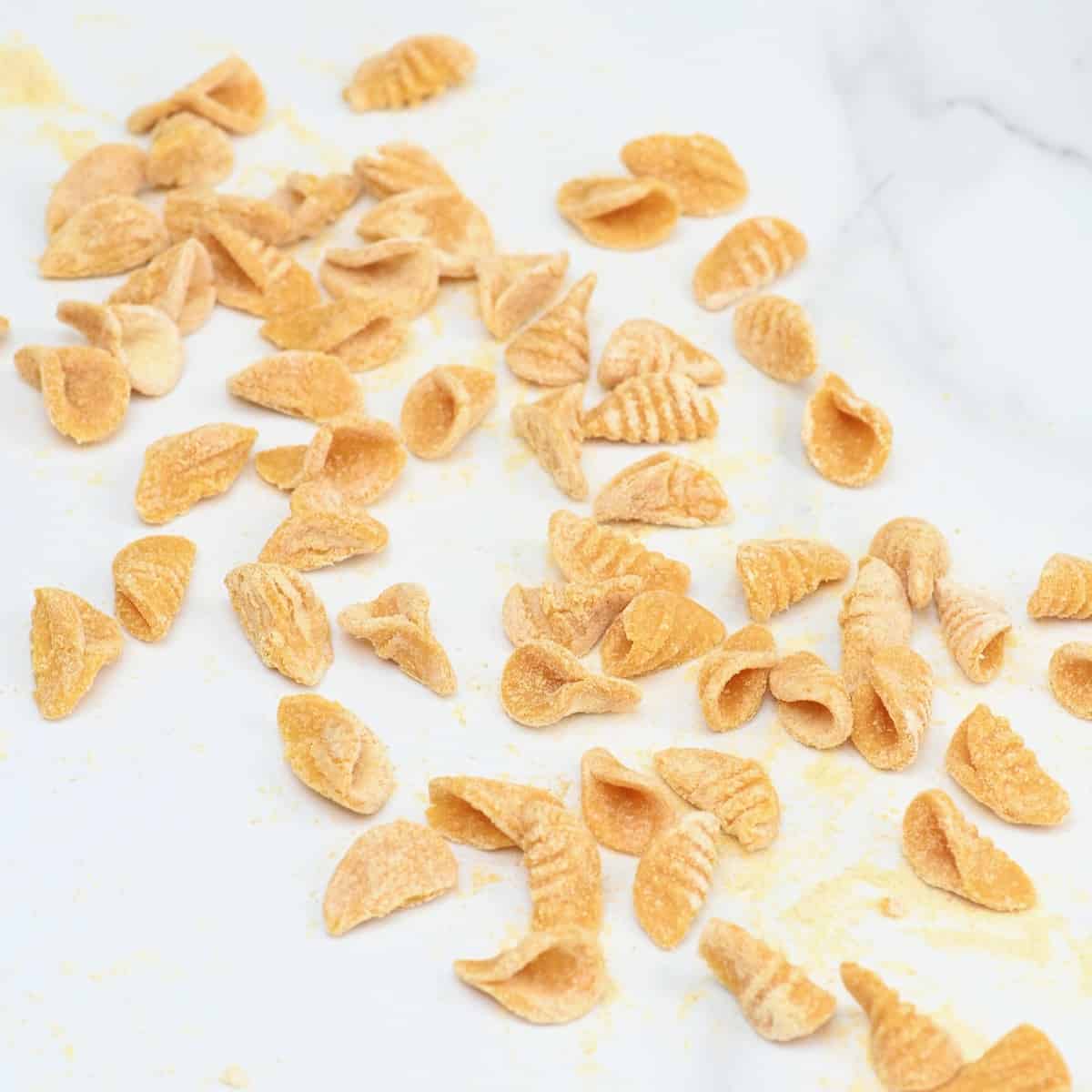
Homemade Chickpea Flour Pasta: Your Gluten-Free Guide
In a world increasingly seeking healthier, more inclusive culinary options, the appeal of homemade alternatives to traditional staples has never been stronger. If you're looking to elevate your gluten-free cooking or simply explore delicious plant-forward meals, mastering how to make chickpea flour pasta at home is a skill worth cultivating. Over the past year, more home cooks have embraced legume-based flours, driven by shifts towards allergen-conscious and nutrient-dense diets. This comprehensive guide will walk you through every step—from mixing the perfect dough to boiling your noodles without breakage—helping you avoid common pitfalls and achieve wonderfully satisfying results. The good news? You don't need a complex recipe; a basic two-ingredient version (chickpea flour and water) works beautifully for most. The real secret lies in managing hydration and resting time with patience and understanding.
Why Choose Homemade Chickpea Flour Pasta? The Health & Culinary Benefits
Homemade chickpea flour pasta offers a myriad of advantages that go beyond just being a gluten-free option. It's a testament to the fact that healthy eating can be incredibly delicious and rewarding.
Unpacking the Health Advantages
- Naturally Gluten-Free: Made primarily from gram flour (also known as besan), this pasta is inherently free of gluten, making it an excellent choice for individuals with celiac disease, gluten sensitivity, or those simply looking to reduce gluten in their diet.
- Rich in Protein and Fiber: Unlike refined grain pastas, chickpea flour is a powerhouse of nutrition. It's packed with plant-based protein, contributing to satiety and muscle health, and is high in dietary fiber, which aids digestion and promotes gut health.
- Low Glycemic Index: Chickpea flour has a significantly lower glycemic index compared to wheat, meaning it provides sustained energy without the sharp blood sugar spikes often associated with refined carbohydrates. This makes it an ideal choice for maintaining stable energy levels and supporting active lifestyles.
- Nutrient Density: Beyond protein and fiber, chickpeas offer essential vitamins and minerals, making this pasta a more nutrient-dense alternative to many conventional options.
Culinary Appeal and Sustainability
From a culinary perspective, chickpea flour pasta brings a unique character to the table. It boasts a distinct nutty, earthy flavor that pairs exceptionally well with bold and vibrant sauces. Think rich pesto, robust garlic-oil infusions, Mediterranean roasted vegetables, or even a spicy arrabbiata. Preparing it fresh, much like traditional Italian trofie or lagane, allows for unparalleled control over texture and ingredients, ensuring a product free from unwanted additives or preservatives often found in commercial alternatives.
Beyond the plate, choosing chickpea flour is an eco-conscious decision. Chickpeas are nitrogen-fixing crops, meaning they enrich the soil and require less water than animal proteins, making them a sustainable and environmentally friendly pantry staple. This growing interest in pulse-based cooking reflects broader shifts towards sustainable eating and improved digestibility.
Understanding the Fundamentals: Ingredients and Texture
Embarking on the journey of how to make chickpea flour pasta begins with a solid understanding of its core components and unique dough characteristics. Don't expect it to behave exactly like wheat dough; instead, embrace its differences.
The Core Ingredients: Simplicity at Its Best
The beauty of chickpea flour pasta often lies in its minimalism. For most home cooks, the basic method uses just two ingredients:
- Chickpea Flour (Besan/Gram Flour): This is the star. Ensure you're using finely ground, fresh chickpea flour for the best results. Its unique composition dictates the dough's behavior.
- Water: The binder. The amount will vary slightly depending on your flour's absorption and ambient humidity, so always add gradually.
While this simple combination is surprisingly effective for immediate use, it's worth noting why you won't find fresh chickpea pasta readily available in most supermarkets. Its delicate texture and shorter shelf life compared to dried semolina varieties mean it's primarily a fresh, homemade delight.
The Gluten-Free Challenge and How to Overcome It
The absence of gluten in chickpea flour means the dough doesn't possess the same elasticity or "stretch" as wheat-based doughs. This is the primary reason why mastering how to make chickpea flour pasta requires a slightly different approach:
- Patience is Key: Unlike robust wheat doughs that can withstand vigorous handling, chickpea dough is fragile. Gentle kneading and slow rolling are essential.
- Hydration Management: This is perhaps the most critical factor. Too much water and the dough becomes sticky and unmanageable; too little, and it will be crumbly and prone to cracking. The goal is a firm, pliable dough.
- Resting Time: Absolutely non-negotiable! Skipping adequate rest periods is a key reason many first attempts fail. Resting allows the flour to fully hydrate and the dough to relax, making it far more workable and less likely to crack during rolling. For an in-depth dive into this crucial aspect, refer to our guide on Master Chickpea Flour Pasta: Hydration, Rest & No Breakage.
Optional Additions and Their Role
While the basic two-ingredient recipe is fantastic, certain additions can enhance the dough's workability and final texture, depending on your goals:
- Olive Oil: A tablespoon of good quality olive oil can add a subtle richness, improve the dough's flexibility, and make it slightly easier to handle.
- Eggs: For an enriched dough, adding one large egg per cup of flour significantly improves workability, adds structure, and contributes a richer flavor. Egg-enriched dough holds together better when boiled, making it particularly useful for stuffed shapes like ravioli or more delicate pasta forms.
- Xanthan Gum or Starches (Tapioca, Rice Flour): These ingredients can mimic the elasticity and durability often found in commercial gluten-free pasta blends. A small pinch (¼ to ½ teaspoon per cup of flour) of xanthan gum can provide a noticeable improvement in chewiness and reduce breakage, especially if you plan to roll the pasta very thin. However, for a simple, rustic pasta, they are often unnecessary complications.
Step-by-Step Guide: How to Make Chickpea Flour Pasta
Ready to get your hands messy? Here’s a detailed breakdown of how to make chickpea flour pasta from scratch.
Basic Two-Ingredient Dough (Chickpea Flour & Water)
This minimalist approach is surprisingly robust and yields a delicious, healthy pasta. For a more detailed look at this simple yet effective method, check out our article on Ingredient Chickpea Flour Pasta: Easy, Vegan & High-Fiber.
- Ingredients: You'll need about 1 cup of chickpea flour and approximately ½ cup of warm water. Remember, these are starting points; always adjust as needed.
- Mixing: In a large bowl, place the chickpea flour. Create a well in the center and gradually pour in about half of the water. Start mixing with a fork, incorporating flour from the sides. As the dough comes together, add the remaining water gradually, a tablespoon at a time, until a shaggy dough forms.
- Kneading: Turn the shaggy dough out onto a lightly floured surface. Knead gently for 5-7 minutes. The dough won't be as elastic as wheat dough, but it should become smooth, firm, and pliable. If it's too dry and crumbly, add a tiny bit more water (½ teaspoon at a time). If it's too sticky, incorporate a small amount of extra chickpea flour.
- Resting: This step is critical. Form the dough into a ball, cover it tightly with plastic wrap or a damp cloth, and let it rest at room temperature for at least 30 minutes, or up to an hour. This allows the flour to fully hydrate and the dough to relax, making it much easier to roll without cracking.
Rolling and Shaping Your Pasta
Whether you're using a rolling pin or a pasta machine, careful handling is key.
- Prepare Your Workspace: Generously dust your work surface and rolling pin (or pasta machine) with chickpea flour or rice flour to prevent sticking.
- Divide and Flatten: Divide your rested dough into 2-4 manageable portions. Flatten one portion slightly with your hand before rolling. Keep the other portions covered to prevent drying.
- Rolling by Hand: Using a rolling pin, roll the dough evenly, working from the center outwards. Rotate the dough frequently and dust with more flour as needed. Aim for a thickness of about 1/16 to 1/8 inch (1.5-3mm). Don't try to roll it paper-thin initially, as this increases the risk of cracking.
- Using a Pasta Machine: Pass the flattened dough through the widest setting of your pasta machine. Fold it into thirds, flatten, and pass it through again. Repeat this 2-3 times. Then, gradually decrease the thickness setting, passing the dough through each setting once or twice until you reach your desired thickness. Dust with flour between each pass.
- Cutting: Once rolled, you can cut the pasta into various shapes. Tagliatelle (wide ribbons) or pappardelle (even wider ribbons) are excellent choices for beginners as they are less prone to breaking. You can also make small hand-formed shapes or even delicate ravioli with an egg-enriched dough. Lightly dust the cut pasta with flour and spread it out on a baking sheet to prevent sticking while you finish the rest.
Cooking Without Breakage
Chickpea flour pasta cooks quickly and requires gentle handling.
- Boil Water: Bring a large pot of generously salted water to a rolling boil.
- Cook Gently: Carefully add the fresh pasta to the boiling water. Do not overcrowd the pot; cook in batches if necessary.
- Monitor Closely: Chickpea pasta cooks much faster than traditional wheat pasta, typically in 2-4 minutes. It will float to the surface when almost done. Taste a piece to check for al dente texture – tender but with a slight bite. Overcooking will make it mushy and prone to breaking.
- Serve Immediately: Using a spider or slotted spoon, gently transfer the cooked pasta directly to your warm sauce and toss to coat. Serve immediately for the best texture and flavor.
Troubleshooting Common Chickpea Pasta Problems
Even with the best instructions, homemade pasta can sometimes present challenges. Here are solutions to common issues:
- Dough is too crumbly/dry: This is a hydration issue. Gradually add water, ½ teaspoon at a time, kneading it in until the dough comes together and feels pliable.
- Dough is too sticky: Add a tablespoon of chickpea flour, knead it in, and repeat if necessary until the stickiness is gone.
- Cracking during rolling: The dough likely needs more rest or a tiny bit more hydration. Don't force it; cover it and let it rest for another 15-20 minutes, or gently knead in a fraction of a teaspoon of water.
- Pasta breaks during boiling: This can be due to rolling the pasta too thin, not enough resting time for the dough, or overcooking. Next time, try rolling it slightly thicker, ensuring proper rest, or consider adding an egg or a pinch of xanthan gum to your dough for added resilience.
- Pasta sticks together after cutting: Ensure you generously dust your pasta with flour after cutting and spread it out on a baking sheet in a single layer to air dry slightly while you finish preparing the rest.
Conclusion
Learning how to make chickpea flour pasta is a rewarding culinary adventure that opens up a world of gluten-free, nutritious possibilities. While it requires a bit of patience and an understanding of chickpea flour's unique properties, the result is a delicious, earthy pasta that's satisfying to create and even more satisfying to eat. Don't be discouraged by initial imperfections; like any new skill, practice makes perfect. Experiment with different sauces, try various shapes, and savor the unique flavor and texture of your homemade creation. Embrace the process, and soon you'll be enjoying fresh, healthy chickpea flour pasta from your own kitchen, customized exactly to your liking.
