Embrace the Goodness: Why Chickpea Flour Pasta is Your Next Kitchen Staple
In an age where dietary preferences are shifting rapidly towards plant-forward, allergen-conscious, and health-focused meals, discovering wholesome alternatives to traditional staples has become a culinary quest. If you're seeking a gluten-free, high-fiber, and utterly delicious alternative to your usual pasta, then look no further: making chickpea flour pasta at home is a truly rewarding and practical option. This comprehensive guide will walk you through every step, from mastering the dough to achieving perfectly cooked noodles, ensuring you avoid common pitfalls and discover the joy of this incredible ingredient.
Chickpea flour pasta is a homemade noodle marvel crafted primarily from gram flour, also widely known as besan, combined with water, and sometimes a touch of oil or egg for added richness and workability. Naturally gluten-free, it's a powerhouse of protein and dietary fiber, delivering a distinct nutty, earthy flavor that pairs exceptionally well with robust sauces. Imagine the rich aroma of pesto, the vibrant kick of garlic-infused olive oil, or the hearty embrace of roasted vegetables complementing your homemade noodles – the culinary possibilities are endless.
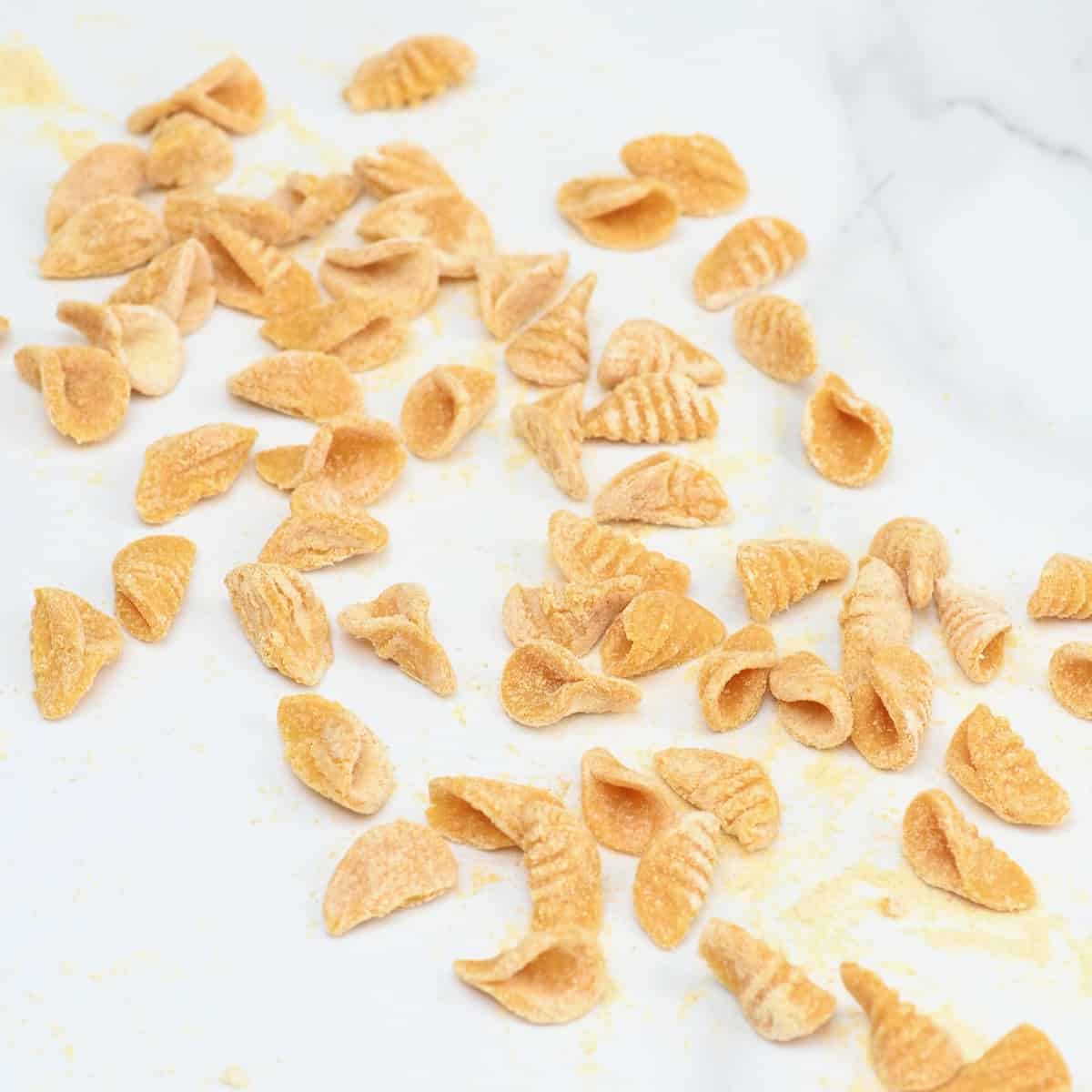
Unlike the dried semolina varieties found in most supermarkets, homemade chickpea flour pasta possesses a delicate texture and is typically prepared fresh, much like traditional Italian trofie or lagane. While a few commercial brands offer shelf-stable versions, the homemade approach grants you complete control over ingredients, consistency, and freshness, elevating your dining experience.
Decoding the Dough: How to Make Chickpea Flour Pasta with Ease
The journey to delicious homemade pasta begins with understanding the dough. The question of "how to make chickpea flour pasta" often leads to surprisingly simple answers, but with nuanced techniques that make all the difference.
The Minimalist Approach: Chickpea Flour & Water
For most home cooks, a basic two-ingredient version of chickpea flour and water works remarkably well. This method is the epitome of simplicity and perfect if you value minimalism.
1.
Combine Ingredients: Start by placing your chickpea flour in a large bowl. Gradually add water, a little at a time, mixing with a fork or your hands.
2.
Form the Dough: Continue mixing until the mixture comes together into a shaggy dough. The key here is *feel* rather than precise measurements. Chickpea flour absorbs water differently based on humidity and brand. Aim for a dough that is firm but not crumbly, and cohesive but not sticky. It should feel like firm play-doh.
3.
Knead: Turn the dough out onto a lightly floured surface (using more chickpea flour) and knead for about 5-7 minutes. This develops the elasticity and smoothness of the dough, even without gluten. It should become smooth and pliable.
This basic dough is sufficient for immediate use and delivers a wonderfully authentic, wholesome flavor.
Enhancing Your Pasta: Oil, Egg & Blends
While the basic recipe shines, certain additions can significantly improve the dough's workability and final texture, depending on your desired outcome.
*
A Touch of Olive Oil: Incorporating a tablespoon of good quality olive oil per cup of flour adds flexibility to the dough, makes it slightly richer, and can help prevent it from sticking during rolling. It's a simple addition that makes the dough a little more forgiving.
*
The Egg-Enriched Version: For those seeking improved structure and richness, especially for stuffed shapes like ravioli, an egg-enriched dough is a game-changer. One large egg per cup of chickpea flour (reducing the water slightly) provides a natural binder, adds richness, and significantly enhances the dough's workability. When boiled, egg-enriched pasta tends to hold together even better, offering a more robust texture.
*
Composite Blends for Durability: If you're aiming for commercial-level durability or plan to roll your pasta exceptionally thin, a composite blend might be worth considering. Adding a small amount of tapioca starch, rice flour, or even a pinch of xanthan gum (often 1/2 teaspoon per cup of flour) can mimic the elastic properties of gluten, providing extra structure and preventing breakage. While these additives aren't necessary for most home cooks, they can be beneficial for very delicate shapes or for those who desire a chewier, more traditional pasta texture. Consider them when you're looking to push the boundaries of gluten-free pasta making, but don't let them overcomplicate your first attempts.
The Art of Crafting: Hydration, Rest, and Rolling for Perfect Pasta
Beyond the ingredients, the success of your chickpea flour pasta hinges on mastering specific techniques. Unlike wheat-based doughs that rely on gluten for elasticity, chickpea dough requires patience and an understanding of its unique characteristics.
Hydration: The Golden Rule
Managing hydration is arguably the most critical aspect of working with chickpea flour. Too much water, and your dough will be sticky and unworkable; too little, and it will be crumbly and prone to cracking.
* **Start Slow:** Always add water gradually. It's easier to add more liquid than to correct an overly wet dough.
*
Feel is Key: The dough should be firm yet pliable, smooth, and no longer sticking to your hands or the bowl. If it feels too dry and crumbly, add water a teaspoon at a time. If it's too sticky, incorporate a tablespoon of flour until the right consistency is achieved. Remember, practice makes perfect.
The Power of Rest
This step is absolutely non-negotiable for gluten-free doughs. Resting allows the chickpea flour to fully absorb the moisture, hydrating all the particles. This process relaxes the dough, making it far more pliable and significantly reducing the likelihood of cracking during rolling.
*
Cover and Chill: Once kneaded, form the dough into a disc, wrap it tightly in plastic wrap or place it in a sealed container, and let it rest at room temperature for at least 30 minutes, or ideally, up to an hour. For a deeper dive into this crucial step, read our detailed guide on
Master Chickpea Flour Pasta: Hydration, Rest & No Breakage. Skipping this step is a common reason many first attempts fail.
Shaping Your Noodles: By Hand or Machine
Due to the lack of gluten, chickpea flour dough doesn't stretch like wheat dough, so your techniques must adapt.
*
Prepare Your Surface: Liberally flour your work surface and rolling pin with chickpea flour (or a light dusting of rice flour) to prevent sticking.
*
Rolling by Hand: If rolling by hand, divide the dough into manageable portions. Roll each piece evenly, gradually thinning it out. Avoid rolling too thin too quickly, as this can lead to tearing. Aim for a thickness similar to a credit card for most shapes.
*
Using a Pasta Machine: For a pasta machine, start on the widest setting. Pass the dough through, fold it, and pass it through again several times to condition it before gradually reducing the thickness setting. This gentle approach helps prevent cracking.
*
Forming Shapes: Common forms that work well with chickpea flour pasta include tagliatelle, pappardelle, or small dumplings like ravioli. For intricate shapes, use plenty of flour to prevent sticking. For a comprehensive guide on various techniques and forms, check out our
Homemade Chickpea Flour Pasta: Your Gluten-Free Guide.
Once shaped, ensure your pasta is well-floured and either cooked immediately or prepared for storage.
From Pot to Plate: Cooking and Pairing Your Homemade Creation
You've put in the effort, now let's ensure your pasta shines in the pot and on the plate.
Boiling Without Breakage
Cooking fresh chickpea flour pasta is quicker than you might expect, and attention to detail will ensure it holds its shape.
1.
Boil Generously: Bring a large pot of heavily salted water to a rolling boil. A generous amount of water prevents the pasta from sticking and allows it to cook evenly.
2.
Cook Gently: Carefully add your fresh pasta to the boiling water. Stir gently to prevent sticking. Fresh chickpea pasta cooks rapidly, usually within 2-4 minutes, depending on its thickness. It should be tender but still possess a slight al dente bite.
3.
Reserve Pasta Water: Before draining, reserve about half a cup of the starchy pasta water. This liquid is gold for emulsifying and loosening your sauce.
Sauce Pairings: Elevate the Flavor
The inherent nutty, earthy flavor of chickpea flour pasta makes it an ideal canvas for bold and flavorful sauces.
*
Classic Combinations: Think vibrant pesto, a rich garlic-and-oil (aglio e olio) sauce, hearty roasted vegetable sauces, or a robust tomato-based ragu with plenty of fresh herbs.
*
Rich and Creamy: A creamy mushroom sauce or a simple sage butter sauce also beautifully complements the pasta's profile.
*
Avoid Delicacy: Generally, avoid overly delicate or bland sauces that might be overpowered by the pasta's distinct flavor.
Storing Your Fresh Pasta
Homemade chickpea flour pasta is best enjoyed fresh, but it can be stored for later use.
*
Drying: For short-term storage, lay individual pasta pieces on a lightly floured surface or hang them on a drying rack. Ensure they are completely dry to the touch before storing them in an airtight container at room temperature for up to a few weeks.
*
Freezing: For longer storage, flash-freeze individual portions on a baking sheet until solid, then transfer them to a freezer-safe bag. They can be stored for up to 2-3 months and cooked directly from frozen, though they may require an extra minute or two of boiling time.
Beyond Delicious: The Broader Impact of Pulse-Based Eating
Choosing chickpea flour pasta is more than just a culinary decision; it's a step towards more sustainable and health-conscious eating. The surge in interest in pulse-based cooking reflects broader shifts – not just for flavor and digestibility, but also for environmental and nutritional benefits.
Chickpeas are known as nitrogen-fixing crops, meaning they enrich the soil and require less water than many animal proteins, making their flour an eco-conscious pantry staple. From a health perspective, unlike refined grains, chickpea flour boasts a low glycemic index, providing sustained energy and contributing to a feeling of fullness – ideal for active lifestyles and those managing blood sugar. Its high fiber content also supports gut health and overall well-being. By opting for chickpea flour pasta, you're embracing a delicious, nutrient-dense ingredient that aligns with modern values of sustainability, health, and inclusive eating.
Conclusion
Making chickpea flour pasta at home is an incredibly rewarding experience that offers a fresh, wholesome, and versatile alternative to traditional noodles. It's naturally gluten-free, vegan, and packed with fiber and protein, making it a stellar choice for anyone seeking nutritious, plant-forward meals. While managing hydration and resting time are key, the core recipe is surprisingly simple, proving that patience, not complexity, is your most vital ingredient. So, roll up your sleeves, embrace the process, and get ready to savor the delightful taste and texture of your very own homemade chickpea flour pasta – a dish that truly nourishes both body and soul.